
Why Fitrah Matters in a Divided Society
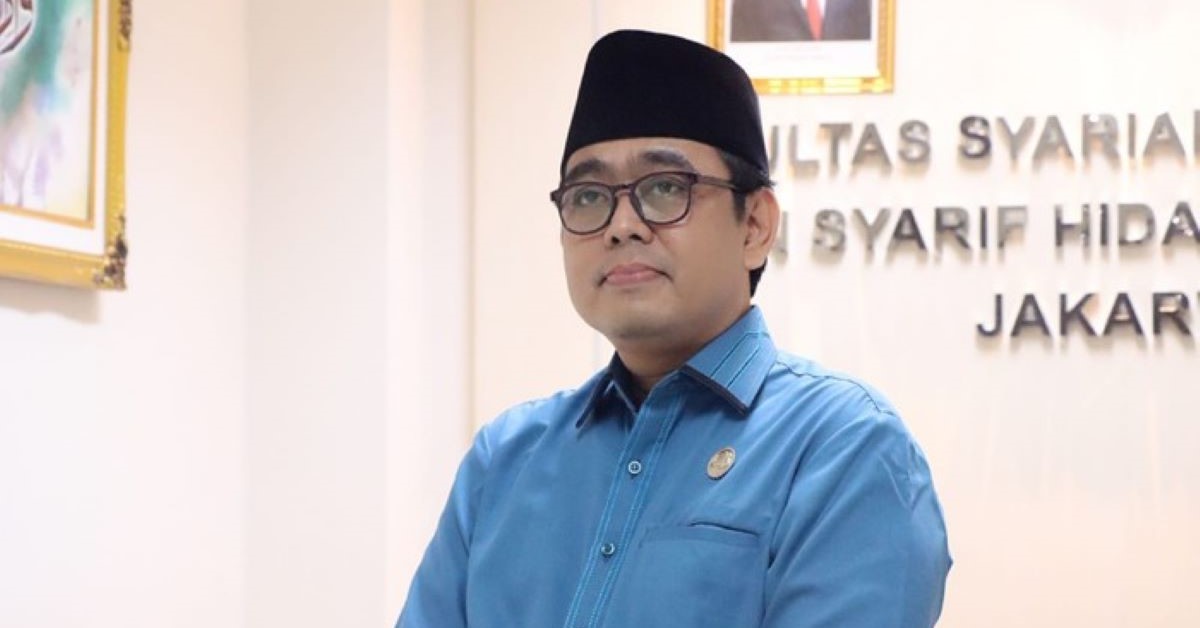
Ahmad Tholabi Kharlie
(Professor and Vice Rector for Academic Affairs, UIN Syarif Hidayatullah Jakarta)
Every year, Muslims celebrate Eid al-Fitr as the marker of the end of Ramadan. This holiday brings a spiritual moment that invites people to return to fitrah—a state of a pure soul, a clear heart, and a moral awareness that finds its way back to goodness.
In Islamic tradition, fitrah is understood as personal purity, within which lies the human potential to grow toward truth, justice, and compassion. The Prophet Muhammad once said that every human being is born in a state of fitrah—upright and free from interests that corrupt the conscience.
Ramadan serves as a space for spiritual education, guiding people to cleanse themselves from greed, hatred, and ego. After a month of self-discipline, individuals are expected to return to this natural awareness.
For this reason, Eid al-Fitr is not only about victory over hunger and thirst. It is also a victory over oneself—over desires that often lead to hardness of heart and narrow thinking. This victory leads people to see others with openness and generosity.
Fitrah and Moral Awareness
In Indonesian society, the meaning of fitrah is reflected in the unique traditions of Eid al-Fitr. People visit one another, shake hands, and ask for forgiveness. Homes are open to family, neighbors, and friends. Social barriers that once felt rigid begin to soften. Even distances created by differences—social status, political choices, or life views—seem to dissolve in the spirit of togetherness.
This tradition goes beyond a simple social habit. It carries a deep moral value: the willingness to forgive and to rebuild bonds of brotherhood. In the context of national life, this value is essential. A nation’s strength comes not only from economic and technological progress but also from the sincerity of its people in maintaining shared life.
Indonesia is a nation built on diversity. Differences in ethnicity, religion, language, and culture are inseparable from its national identity. In such a context, nationalism must be understood as a consciousness rooted in strong moral and social ethics. This is where the value of fitrah, celebrated during Eid, becomes relevant.
Fitrah teaches people to return to clarity of heart. From a clear heart come respect for others, empathy, and a desire to maintain social harmony. When people return to their fitrah, prejudice and hatred no longer easily take control. The way they see others grows from the awareness that every human being has equal dignity.
In Islamic thought, this idea of fitrah has been deeply explained by scholars such as Abu Hamid al-Ghazali (d. 1111 CE). In his monumental work Ihya Ulumuddin, he describes the human heart as a mirror—originally clear but capable of being covered by stains of sin, greed, and envy. Through worship and spiritual discipline, people cleanse their hearts so they can reflect truth and compassion.
This view affirms that spiritual piety naturally leads to social piety. A pure heart does not produce hostility but instead nurtures a commitment to humanity.
Ramadan lays the foundation for this ethical awareness. Fasting teaches self-control, zakat teaches social care, and nightly prayers teach spiritual discipline. Together, these practices build moral sensitivity that makes people more aware of others’ suffering.
It is no surprise, then, that on Eid al-Fitr, Muslims are required to give zakat al-fitr. This act carries a social message: happiness should not be enjoyed alone.
Fitrah as Social Energy
In national life, this message is highly relevant. Social inequality, political polarization, and the rise of hateful language in public spaces often weaken a sense of unity. Society can easily become divided by differences in interests and identity. In such a situation, Eid al-Fitr brings back a simple but powerful moral language: forgiveness, sharing, and strengthening brotherhood.
The spirit of fitrah encourages people to reject attitudes that damage shared life. It reminds us that anger and hatred will never create a better future. Instead, a strong nation is built by a society that nurtures empathy and solidarity.
In modern society, this idea is also emphasized by contemporary Muslim thinkers such as Yusuf al-Qaradawi (1926–2022). Since the 1990s, he has stressed that the purpose of worship in Islam does not stop at ritual piety. Worship must produce individuals who are not only personally devout but also responsible for improving social life.
In other words, piety in Islam has a transformative dimension—it shapes individuals who actively uphold justice and public welfare.
In Indonesia’s history, religious values have often been a source of national ethics. The nation’s founders understood that spirituality plays an important role in shaping society’s character. Therefore, Indonesian nationalism rests on moral values that uphold humanity and justice.
Eid al-Fitr reminds us of this moral foundation. It teaches that togetherness grows from sincerity in forgiving one another. It also affirms that unity cannot last if social wounds are continually held onto.
For this reason, Eid al-Fitr goes beyond an annual celebration filled with symbols. It brings moral energy that strengthens national awareness. From hearts that return to fitrah grows a commitment to uphold social justice, maintain unity, and respect human dignity.
From personal fitrah emerges social awareness that strengthens collective life. Spiritual purity nurtures a national responsibility to protect humanity and justice. In hearts that forgive one another, this nation rediscovers the moral strength to move forward together toward a more civilized future.
This article was published in detiknews on Wednesday, March 18, 2026.