
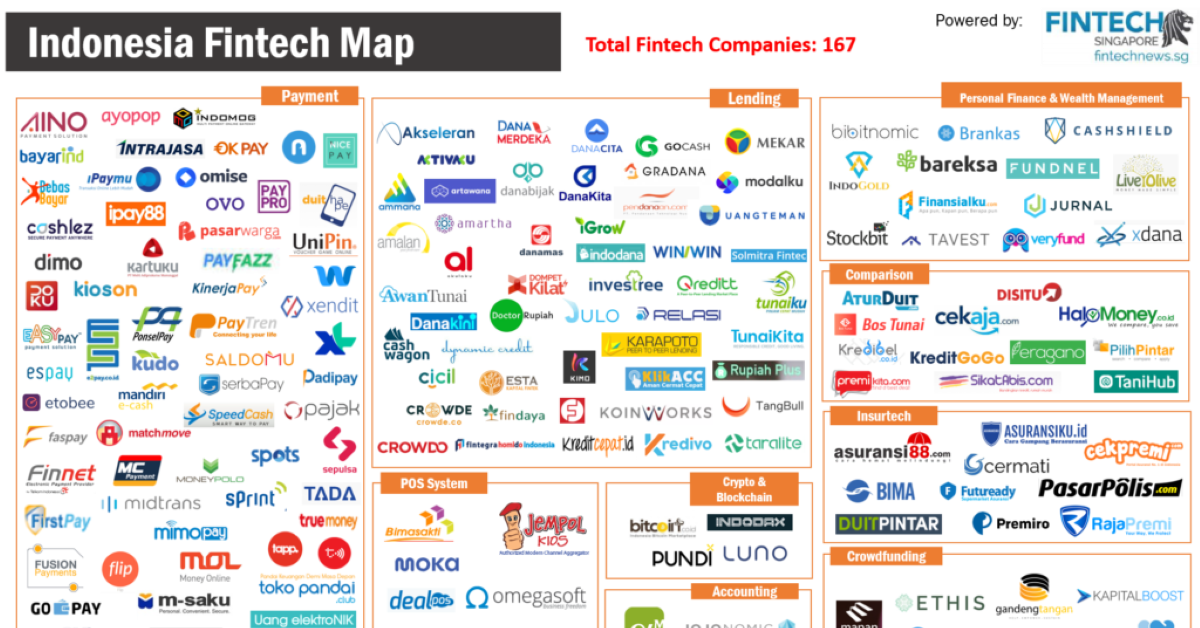
The Majority of Indonesians Are Victims of the "Fintech" Companies
Mohammad Nur Rianto Al Arif
(Professor at UIN Jakarta)
In the blink of an eye, the financial landscape of Indonesia has been rewritten. What was once a journey to a brick-and-mortar bank is now a two-minute interaction on a smartphone. No collateral, no face-to-face interviews, just an instant deposit. On the surface, this is heralded as "financial inclusion." But for millions of Indonesians, this convenience has morphed into a nightmare—a digital noose that is tightening around the neck of the working class.
The numbers are staggering. By early 2025, online lending (locally known as Pinjol) exploded to 146 million accounts, with outstanding loans reaching nearly $6 billion (Rp 96.62 trillion). But behind these "impressive" growth charts lies a darker reality: a systemic debt trap that is consuming the youth and the underbanked.
The Paradox of Inclusion
For a nation where millions are excluded from traditional banking, FinTech was supposed to be the great equalizer. It promised to bridge the gap for small business owners and informal workers. Instead, it has become a predatory engine fueled by economic desperation.
By late 2025, the default rate surged to 4.32%, a flashing red light indicating that millions are borrowing money they have no hope of repaying. Millennials and Gen Z are the primary victims. For many, these loans are not funding businesses; they are funding survival or the hollow promise of a lifestyle dictated by social media. This isn't financial inclusion—it's financial entrapment.
Anatomy of a Trap: Why Indonesians are Falling
The "Pinjol" phenomenon thrives on a perfect storm of structural vulnerabilities:
-
The "Robin Hood" Illusion: Apps market themselves as helpful neighbors in times of crisis, but they hide exorbitant interest rates and fees that far exceed traditional bank loans.
-
Digital Darwinism: Platforms use "loose" credit scoring, often targeting those with the least financial literacy. This leads to over-indebtedness, where borrowers are juggling multiple loans just to stay afloat.
-
The "Digging a Hole" Cycle: In a desperate maneuver, victims take out new loans to pay off old ones, creating a debt spiral that is impossible to escape.
-
Psychological Warfare: These apps are designed to exploit human biases. The "Present Bias"—the urge for immediate relief—blinds people to the long-term catastrophe of 100% annual interest rates.
When Debt Becomes a Social Crisis
We are seeing the human face of this crisis in every corner of the archipelago—from the delivery driver in Bekasi who is hounded by a hundred phone calls a day, to the young teacher in rural Java whose private photos were leaked to her entire contact list over a fifty-dollar debt. This is not just credit; it's a digital shaming machine.
This isn't just a financial issue; it’s a mental health emergency. In the shadows of the legal market, illegal "Pinjol" operators run wild. They use aggressive, "mafia-style" debt collection tactics—harassing contacts, leaking private photos, and shaming victims into silence. In the most extreme cases, the weight of this digital debt has led to broken families, lost jobs, and even a tragic rise in suicides.
The root cause is not just "unwise" individual choices. It is a reflection of stagnant wages and economic uncertainty. When people can't make ends meet, they don't turn to Pinjol because they want to; they turn to it because they have run out of options. The apps aren't the cause of the fire; they are the gasoline.
Regulating the Beast
The Indonesian Financial Services Authority (OJK) has stepped up, shutting down thousands of illegal operators and capping interest rates for the 97 licensed players. However, the cat-and-mouse game between regulators and predatory lenders continues. The challenge is immense: How do you encourage innovation without leaving the most vulnerable citizens as collateral damage?
To break the cycle, Indonesia needs more than just apps; it needs a revolution in financial literacy.
-
Technological Guardrails: Using AI not just to lend money, but to detect and prevent predatory patterns before they start.
-
Integrating the Informal: Moving the unbanked into the formal banking system where protections are stronger.
-
Tougher Enforcement: Treating illegal lenders not just as "unlicensed businesses," but as criminal syndicates.
Conclusion
Digital lending is at a crossroads. It can either be the engine of micro-economic empowerment or a "ticking time bomb" for social stability. For the millions of Indonesians currently caught in the web, the future depends on a fundamental shift: seeing these users not as "data points" or "default risks," but as citizens who deserve a financial system that protects them rather than preys on them. In the battle between access and entrapment, the soul of Indonesia's digital economy hangs in the balance.
Ultimately, the true measure of Indonesia’s digital economy will not be found in the profit margins of its unicorns, but in the safety of its citizens. The state must decide: will it be a shepherd for the unbanked, or will it remain a bystander while they are fed to the wolves of high-interest algorithms?
This article was published in Kompas on Monday (14/4/2026). Photo: Fintechnews.sg