
Petro-Shock 2026: The Rupiah’s High-Stakes Defiance
Mohammad Nur Rianto Al Arif
(Professor at UIN Jakarta)
As the Strait of Hormuz remains under an Iranian blockade, the global economy is holding its breath. For the United States, the fallout is both economic and political; Americans are growing weary of a presidency that seems unable to broker peace or halt the skyrocketing costs of daily life. But while Washington grapples with domestic fatigue, Indonesia faces a different kind of existential threat: a currency under siege.
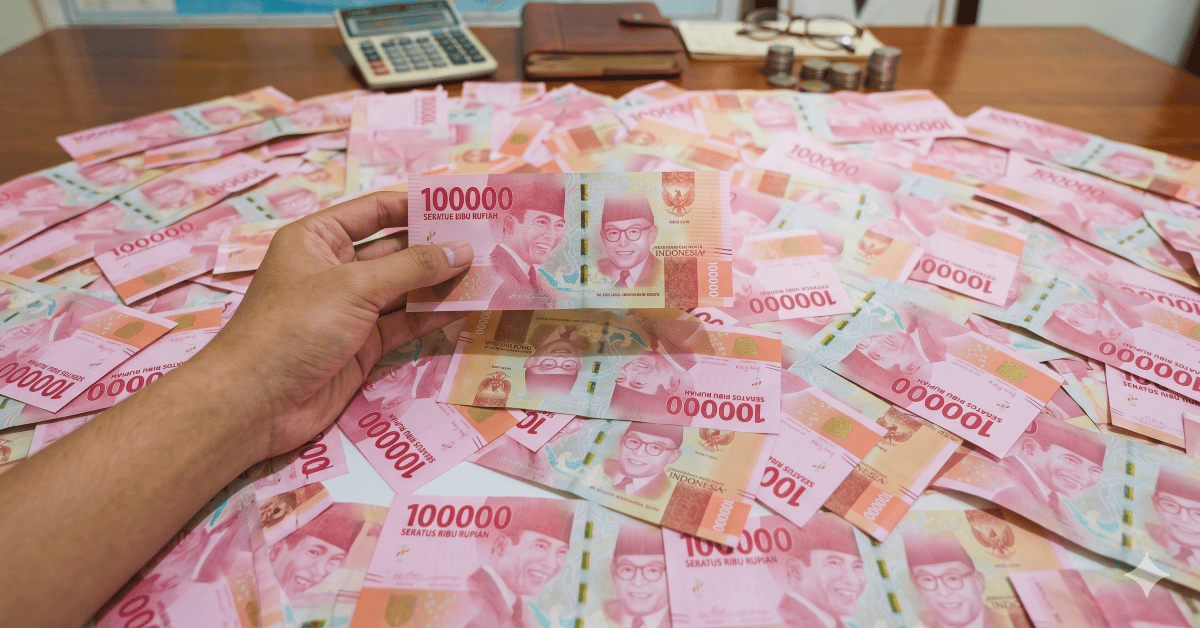
In early April 2026, the Indonesian Rupiah hit a historic low, touching the 17,105 per USD mark. This isn't just a number on a trading screen; it’s a distress signal in a world where "petroleum-flation" is the new reality.
The Global Pressure Cooker
The current volatility isn't a mere market hiccup—it’s a reflection of a world in fracture. With the Middle East in a state of high-intensity escalation, energy prices have turned into a runaway train. In times of such global chaos, international investors follow a predictable script: they flee "Emerging Markets" and pile into "Safe Havens" like the Greenback.
This "flight to safety" has left the Rupiah vulnerable. Despite Indonesia's relatively steady growth projections of 4.9% to 5.7%, the market is being driven by perception over fundamentals. Even though the dollar is facing domestic backlash in the U.S., it remains the global "anchor," and as petroleum prices surge, the demand for dollars to pay for that expensive oil keeps the currency artificially buoyed, even as the American public’s patience thins.
Domestic Hurdles and the "Undervalued" Paradox
Bank Indonesia (BI) maintains that the Rupiah is currently undervalued—meaning it’s fundamentally stronger than its current price suggests. Theoretically, there is plenty of room for a rebound. However, in the world of high-stakes finance, theory often dies at the hands of sentiment.
Several domestic factors are fanning the flames:
-
Fiscal Anxiety: Massive state programs, including the "Free Nutritious Meals" initiative and increased defense spending under President Prabowo, have raised eyebrows regarding fiscal discipline.
-
Central Bank Independence: Investors are hyper-sensitive to any hint of political interference in monetary policy.
-
Capital Outflow: As global risks rise, the "hot money" in Indonesia’s bond and stock markets is heading for the exit.
The Central Bank’s Dilemma: Stability vs. Growth
Bank Indonesia is currently walking a razor's edge. To defend the Rupiah, they have kept interest rates at 4.75% and intervened aggressively in the FX markets. But they are caught in a classic "Damocles’ Sword" dilemma:
-
If they raise rates too high to save the currency, they risk strangling domestic growth.
-
If they keep rates too low, the Rupiah could spiral further, sending the cost of imported oil and LPG through the roof.
For a country that still relies heavily on imported energy, a weak Rupiah combined with high oil prices is a toxic cocktail for the national budget.
Is This 1998 All Over Again?
The short answer is: No. Unlike the 1998 Asian Financial Crisis, Indonesia’s economic armor is much thicker today. Foreign exchange reserves are robust, the banking sector is healthy, and the policy framework is far more credible.
However, "not a crisis" doesn't mean "no danger." The structural cracks are still there:
-
Commodity Dependence: Indonesia’s exports are still too tied to raw materials.
-
Import Reliance: The economy remains vulnerable to "imported inflation," especially in the tech and energy sectors.
-
Shallow Capital Markets: The lack of local institutional investors makes the market a playground for fickle foreign capital.
Hit or Miss?
The Rupiah is a mirror of Indonesia’s national resilience. Today’s weakness is a combination of a global energy war and unfinished domestic homework. While the U.S. deals with a public jaded by war and high prices, Indonesia must use this moment to accelerate its economic transformation.
If the government can balance its ambitious social spending with strict fiscal discipline and push for industrial downstreaming (hilirisasi), the Rupiah can move beyond being a victim of external shocks. But as long as the Strait of Hormuz remains a flashpoint and oil remains the world's lifeblood, the journey to 17,000 and beyond will be a bumpy ride. In the end, a currency’s true value isn't found in a central bank’s intervention, but in a nation's ability to stand on its own two feet when the rest of the world is leaning on a crutch.
This article was published in Kompas on Friday (10/42026).